
"organic coffee Peru"
400 article(s) found
Introduction of Organic Coffee in EL GUABO Guawu Community of Peru
Professional coffee knowledge exchange more coffee bean information follow coffee workshop (Wechat official account cafe_style) Peru began to export coffee in 1887 and is now the eighth largest producer and the world's largest exporter of organic coffee, with an annual volume of 2 million bags, accounting for 5 per cent of total exports. More than 1/3 of the country's coffee is grown in the Cajamarca region in the north and in the south.

Introduction to the taste of Peruvian single bean flavor description, planting and development history of producing areas
For the exchange of professional baristas, please follow the coffee workshop (Wechat official account cafe_style) today to introduce the characteristics of coffee beans from Peru, an ancient civilization. To put it simply: 1. It is internationally certified as organic coffee bean 2. Decaffeinated Peru is best known for its coffee beans from Mangcha Mayou in the middle and Cusco in the south. In addition, there are some in the north of Peru.

What are Peruvian coffee beans? Peruvian coffee beans
Peruvian Coffee, a rising star in the coffee industry, is grown in areas with temperatures of 1826 degrees and annual precipitation 7001500mm. It is made up of Arabica varieties and has been certified as an organic farmer by the International Association for Organic crop Development (CCIA). The coffee here is famous for its soft coffee with a mixture of fresh cheese and caramel and a sweet aftertaste.
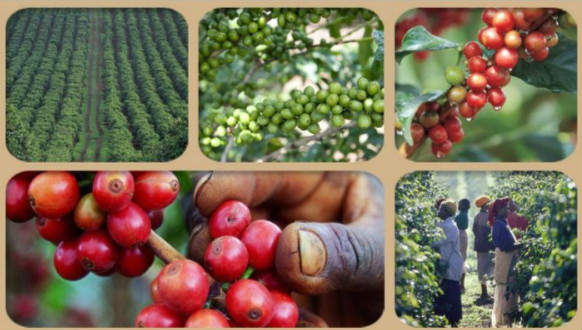
Peruvian Organic Coffee Historical Flavor and Taste characteristics of Peruvian Coffee grown in Peru
Peru: organic coffee flavor and taste characteristics: high quality and balanced, palatable acidity, can be used for mixed drinks, Peruvian coffee does not have a long history, but as a rising star, Peruvian coffee is gradually opening up its popularity and entering the international market. Peru is located in western South America, with a coastline of 2254 kilometers. The Andes runs from north to south, and the mountains account for 1% of the country's area. it belongs to the tropics.

What's the difference between Peruvian coffee beans and Peruvian organic coffee beans? Is the coffee in Peru good?
For the exchange of professional baristas, please pay attention to the coffee workshop (Wechat official account cafe_style) Peruvian coffee flavor and taste characteristics: high quality and balanced, palatable acidity, can be used for mixed drinks, Peruvian coffee does not have a long history, but as a rising star, Peruvian coffee is gradually opening up its popularity and entering the world. Peru is located in western South America, with a coastline of 2254 kilometers.
Do you know what kind of Peruvian coffee beans are? | which Peruvian coffee brands are better?
Professional coffee knowledge exchange more coffee bean information please follow the coffee workshop (Wechat official account cafe_style) Peru is located in western South America, bordering the South Pacific, between Chile and Ecuador. Peru has a very diverse climate, from the tropics in the east to the dry deserts in the west, and from the temperate zone to the cold of the Andes. Different climates are tight with the main geographical areas of Peru

Organic Coffee growing Environment in Peru
Peru: organic coffee flavor and taste characteristics: high quality and balanced, palatable acidity, can be used for mixed drinks. Peruvian coffee cultivation history is not long, but as a rising star, Peruvian coffee is gradually opening up its popularity and entering the international market. Peru is located in western South America, with a coastline of 2254 kilometers. The Andes runs from north to south, and the mountains account for 1% of the total area of the country, which belongs to tropical sand.

The difference between ordinary organic Peruvian coffee and high quality organic Peruvian coffee
Following Cafe (official Wechat account vdailycom) found that ordinary organic Peruvian coffee has a huge difference compared with high-quality organic Peruvian coffee: relatively cheap beans are not only unimpressive in quality, but also often have obvious defects in cup products. Especially the grass flavor, overfermented flavor. Want to find a good secret
Grading, price, raw beans and baking curve of Peruvian coffee
For the exchange of professional baristas, please pay attention to the coffee workshop (Wechat official account cafe_style) Peruvian coffee bean classification, price, raw beans and roasting curve Peruvian coffee beans, which are most famous for the coffee beans produced in Mayou in the middle and Cusco in the south. In addition, there are also some regions in northern Peru that produce characteristic organic coffee. Organic coffee is grown in the shade of trees.

History, culture, stories and allusions of Peruvian coffee boutique beans
Professional barista exchanges please follow the coffee workshop (Wechat official account cafe_style) Peruvian coffee boutique beans history, culture, stories and allusions Peru, the full name is the Republic of Peru (Spanish: Repblica del Per), is a country in western South America, bordering Ecuador and Colombia to the north and Brazil and Poli to the east.

Villarica Manor, Villa Rica, Oxapampa, Oxapampa, Peru, Pasco, Peru.
Professional coffee knowledge exchange more coffee bean information please follow the coffee workshop (Wechat official account cafe_style) about Peruvian coffee, there are countless interesting stories, the ancient and mysterious Indian legends, the Sky City (Machu Pichu), the mysterious Nazca Land painting (Nazca), the Andes Peak breaking the horizon, and the largest freshwater lake in South America.

Peruvian Coffee characteristics Peruvian Geographical Environment
A rising star in the coffee industry, Peru Coffee Geography Peru is located in western South America, covering an area of 1285216'2. It is bordered by Ecuador and Colombia to the north, Brazil to the east, Chile to the south, Bolivia to the southeast and the Pacific Ocean to the west. The coastline is 2254 kilometers long. Peruvian coffee is a rising star in the coffee industry. Peruvian coffee is at a temperature of 1826 degrees and annual precipitation of 7001. 50.
Peruvian coffee what are organic coffee beans? The difference between organic coffee beans and ordinary coffee beans
Professional coffee knowledge exchange more coffee bean information Please follow the coffee workshop (Wechat official account cafe_style) mentioned Burundian coffee, reminiscent of its distinct acidity and fruity aroma. When it comes to sour coffee, we have to mention coffee from Ethiopia and Kenya in Africa. In the front street, Burundian coffee is compared with two producing areas, Burundian coffee.
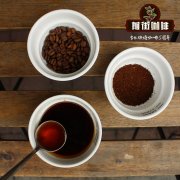
Peruvian coffee Peruvian Zen tea organic coffee mellow and sweet
Professional coffee knowledge exchange more coffee bean information please follow the coffee workshop (Wechat official account cafe_style) Peru Chanchamayo Peruvian tea Mayou (organic coffee beans) area: tea Mayou altitude ALTITUDE:1350m+ variety: Caturra. Catula, Typica Dipper grade: SHB harvest season: June-August / September treatment method: Washed washing method

Introduction of Elephant Bean / Kaddura Variety washed Coffee Bean in Pasco production area of Pasco District, Amazon, Peru
Professional coffee knowledge exchange more coffee bean information please follow Coffee Workshop (Wechat official account cafe_style) Peru Amazonas Rodriguez de Mendoza San Nicolas Maragogype y Caturra Amazon Rodriguez Mendoza San Nicholas Agricultural Association Elephant beans / Kaddura washing country Peru (Peru) production area Pas
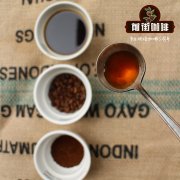
Introduction to the information story of Peruvian coffee producing area, the largest exporter of organic and fair trade coffee in the world.
Professional coffee knowledge exchange more coffee bean information Please pay attention to the coffee workshop (Wechat official account cafe_style) Peruvian coffee 70% of the coffee is produced in the north of the border, mainly Arabica, and most of it is organic coffee; coffee exports account for a high proportion of Peru's agricultural production. The coffee varieties grown in Peru are Bourbon, Typica and Ca.

Peruvian Coffee Bean Growing Areas Elevation Climate Flavor Description
Follow Coffee Review (Weixin Official Accounts vdailycom ) and find a beautiful cafe to open its own shop Peru, fully known as the Republic of Peru (Spanish: Repblica del Per), is a country in western South America, bordered by Ecuador and Colombia in the north, Brazil and Bolivia in the east, Chile in the south and the Pacific Ocean in the west. It is a member of the Union of South American Nations. to

Differences, distinctions and winners of individual beans in Peruvian Coffee
For the exchange of professional baristas, please pay attention to the coffee workshop (Wechat official account cafe_style) Peruvian coffee individual bean differences, distinctions and awards Peruvian coffee is a rising star in the coffee industry. Peruvian coffee is cultivated in an area of 1826 degrees Celsius temperature and annual precipitation 7001500mm, 100% composed of Arabica varieties, and won the U.S. International Organic crops Development Association (CC)

Peruvian Coffee Flavor and Taste characteristics of Peruvian Organic Coffee Fine Coffee beans
Peru is also a big coffee producer. Up to 98% of Peruvian coffee is grown in forest areas, and most producers are small farmers. Coffee is high-quality and balanced and can be used for mixed drinks. Peru has good economic conditions and a stable political situation, thus ensuring the good quality of coffee. In the mid-1970s, Peru produced about 900000 bags of coffee a year, and then continued.

Introduction of coffee beans produced in Mayu and Cusco, Peru
Following caf é (Wechat official account vdailycom) found that the Cafe Beautiful Cafe opened a small shop of Peruvian coffee beans, which is most famous for its coffee beans from Mayou tea in the center and Cusco in the south. In addition, there are also some regions in northern Peru that produce specialty organic coffee. Organic coffee is made of beans grown in the shade of trees. Although the square planted in the shade of the tree